REG NO: 154/2020
MAIL TO IMPACT logo
All contributions to MAILBOX TRUST Click here are exempt u/s 80G act of 1961. Approval Number: AAGTM8510PF20251. Click here | PAN: AAGTM8510P Click here
Volunteers holding hands
Community support
Helping hands
Education is the quietest way to change the loudest problems.
145+
Volunteers engaged
5 years
of volunteering service
100+
Beneficiaries each year

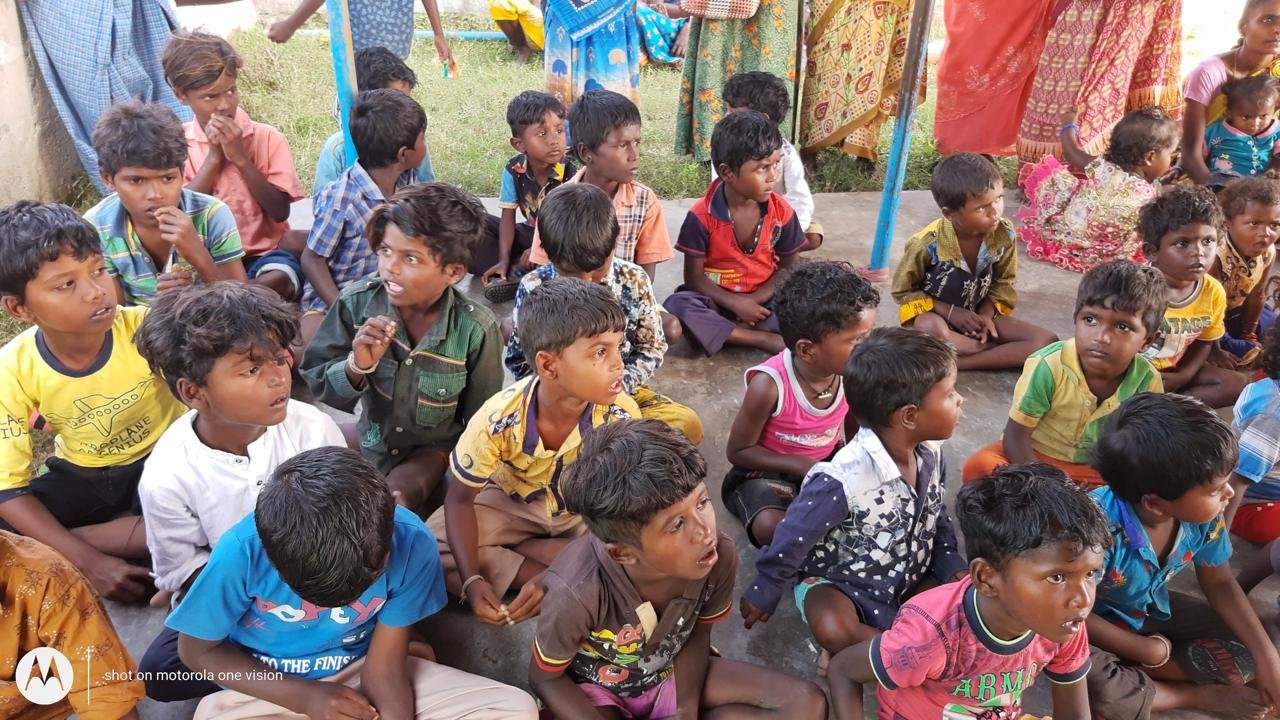
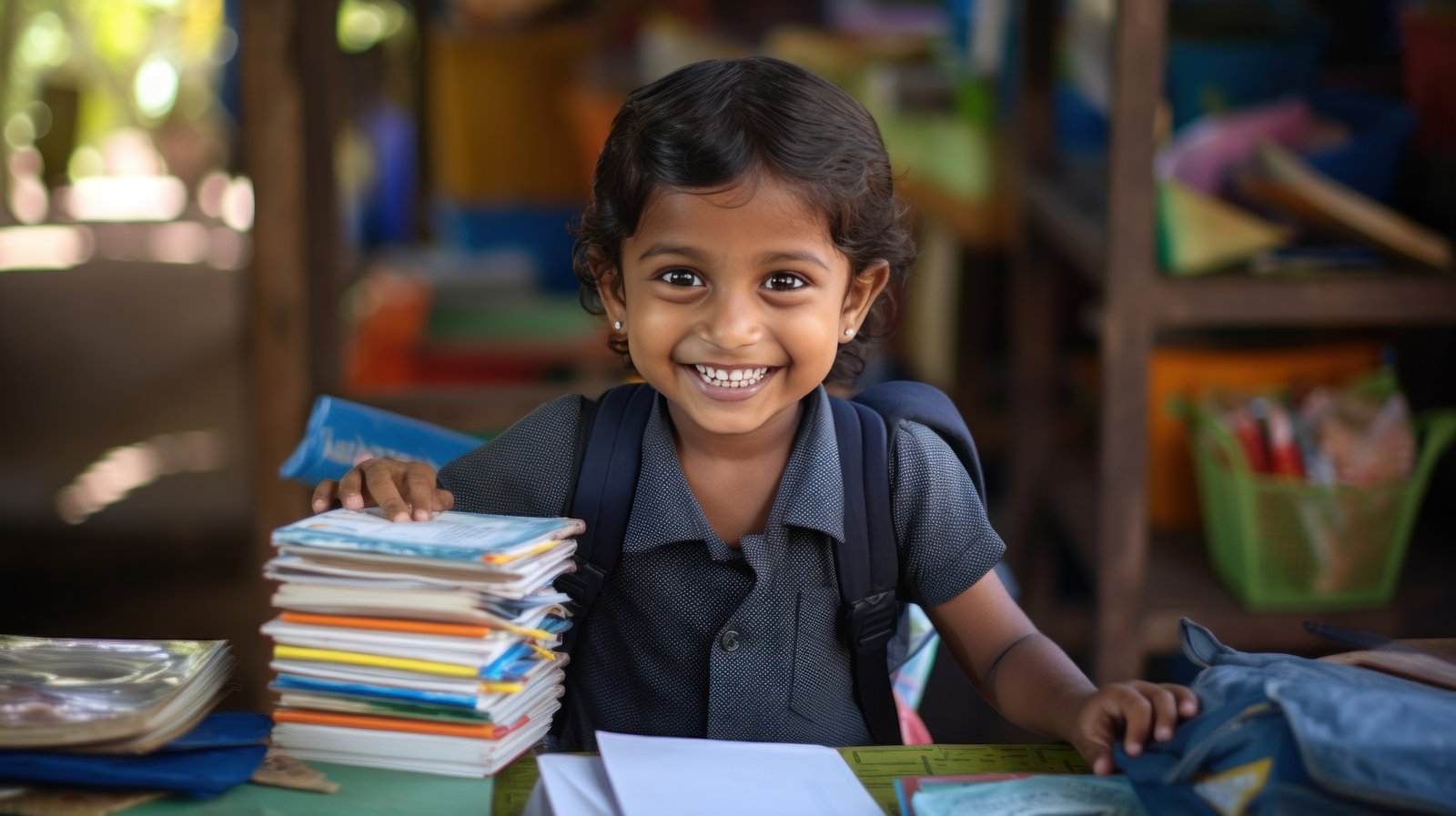
Children’s Education – Building Futures Today

Child education - learning
Vision
Education unlocks confidence & imagination
From reading to digital skills — children gain power to choose their future.
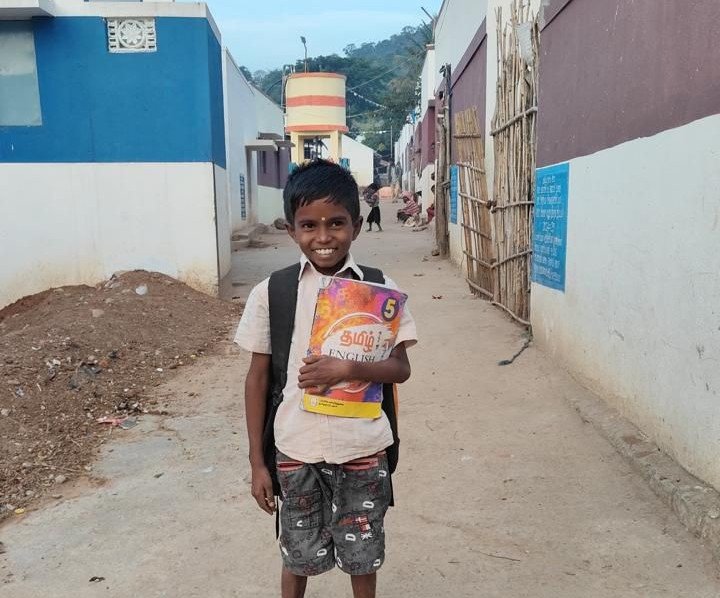
Child education - school support
Protection
Education protects childhood
Helps prevent child labour, early marriage, and exploitation through awareness.
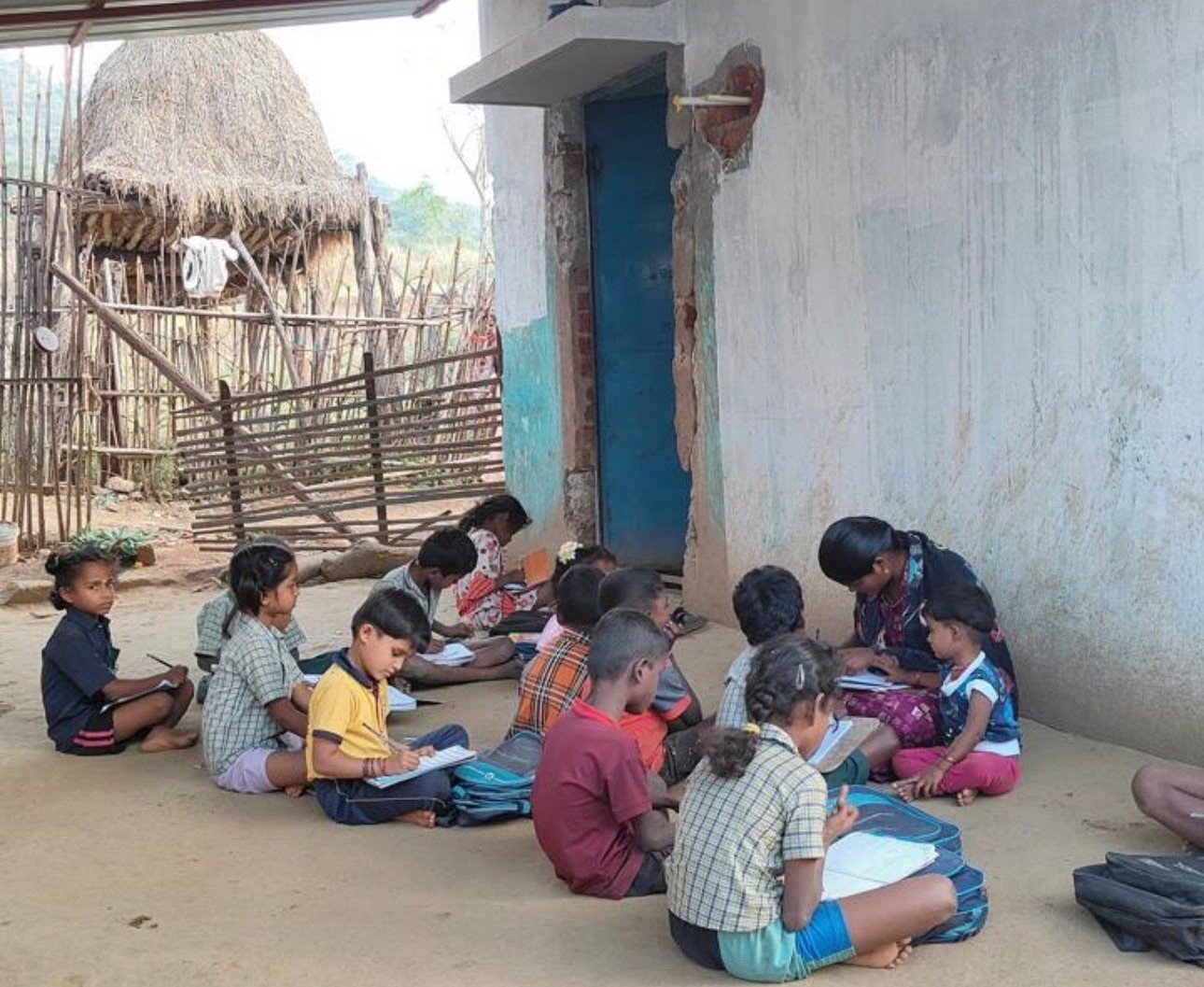
Child education - community impact
Future
One child today, a leader tomorrow
Small support can become a lifetime turning point.

Youth Education

Youth education - classroom
Turning point
From “dreaming” to “doing”
Critical thinking, communication, and real-life problem solving.
Youth education - graduation
Impact
A pathway out of poverty
Employability, earning potential, stable careers.
Youth education - mentoring
Support
Support prevents dropout
Fees, guidance, travel, digital access, emergencies.

Women’s Empowerment – Changing Generations

Women empowerment - community meeting
Change
From dependency to decision-making
Women gain control over income, health, and safety.
Women empowerment - skill training
Support
Skills, rights & digital access
Training, legal awareness, and tech tools for growth.
Women empowerment - entrepreneurship
Ripple effect
One empowered woman, many empowered lives
Her progress lifts children, families, and communities.

Achievements – From Messages to Milestones

Behind every email, SMS, or WhatsApp message that reaches Mailbox Trust, there is a story of crisis, courage, and change. Over the years, our volunteers and partners have quietly transformed hundreds of distress messages into meaningful outcomes: children who stayed in school instead of dropping out, women who began earning their own income, and families who received timely emotional and material support.

These achievements are not about numbers alone—they are about trust. Each person who reached out believed that someone would listen, and we honoured that trust through careful verification, ethical decision-making, and respectful follow-up. Our work across child education, child mental health, women’s development, and women’s entrepreneurship has shown that even small, well planned interventions can shift the trajectory of a life.

This section can be used to document key milestones: the number of scholarships supported, counselling sessions facilitated, emergency responses coordinated, research projects completed, or communities reached through awareness programmes. As the organisation grows, you can update this space regularly to highlight awards, recognitions, successful campaigns, and impact stories that truly reflect how we move

vbvb.jpg

About Us

Mailbox Trust is a community-focused, volunteer-driven social initiative that responds to people’s needs through an accessible “mailbox” approach where individuals can reach out, be heard, verified, and supported with dignity. The Trust strengthens vulnerable communities through practical, field-based programs and community systems that translate support into long-term outcomes.

Founded and led by trained social workers, Mailbox Trust has a clear core focus: to identify why vulnerable individuals and communities remain excluded, even when welfare schemes and public services are in place. Many people are unable to access entitlements due to a lack of awareness, documentation barriers, social discrimination, digital gaps, or poor last-mile delivery. In other cases, families receive support but do not know how to utilise it effectively and therefore continue to face vulnerability. We address these gaps through ground-level research, verification, and case-based support, and then work toward permanent, practical solutions rather than temporary relief.

Our approach combines social work practice with community research to remove vulnerability at its roots. This includes supporting children and youth to continue schooling and higher education (UG/PG) so that education becomes a pathway out of poverty and social exclusion. We also prioritise women’s empowerment through training and livelihood support, because when a woman becomes confident, skilled, and economically stronger, the impact is felt across her family and, over time, across the entire community.

Trustees

  • S. PRABAKARAN. Bsc, B.ed, msc, msw , mphil, Ph.D. Founder and President of Mailbox Trust Mobile: 9025213779
  • SVIAPNIL R YVAS. MSW, PGD(PMIR). Secretary of Mailbox Trust
  • R. VIDHYA. BSW, MSW. Treasurer of Mailbox Trust

Team

  • B CHIBBYMUTHU. MA, PGDHRM, Ph.D. Managing Director of Mailbox Trust Mobile: 8637418914 E-mail: chibbymuthu310@gmail.com
  • GOKULA PIRASANTH. BSW, MSW. Social Worker Director- Children and Youth Education.
  • S.MOHANAPRIYA. BSc, MSW, MA, DHRD, DJJJP. Social Worker Director- women empowerment.

Volunteer

Our Main Areas of Focus & Support

  1. Mailbox Trust works across four connected areas to strengthen education, dignity, and economic independence:
  2. Child Education – Early learning support, school continuation, materials, and scholarships
  3. Youth Education – Higher education guidance, skill development, career readiness, and mentoring
  4. Women Development – Well-being, awareness, leadership, and social support systems
  5. Women Entrepreneurship – Skills, micro-enterprise support, livelihood pathways, and financial confidence

Aim, Vision & Scope

Mailbox Trust is a community-focused, volunteer-driven initiative committed to ensuring that no individual or family is left to struggle in silence. Founded in June 2020 by social-work graduates during the COVID-19 lockdown period, the Trust was created with a simple belief: timely, compassionate support should be accessible to everyone—without fear, delay, or stigma.

Our Aim

To build a supportive ecosystem that enables children and youth to learn and grow, and empowers women to develop and achieve economic independence through education and entrepreneurship.

Our Vision

A society where every child and youth has fair access to education, and every woman has the opportunity to live with dignity, confidence, and financial stability.

Our “Mailbox” Model

We offer a confidential and approachable way for people to reach us—through email, SMS, or WhatsApp. Every request is handled with dignity, respect, privacy, and care. Our trained volunteers listen, assess the need, verify information where required, and connect individuals to the right support.

What We Do (Scope of Support)

Depending on the situation, Mailbox Trust facilitates help such as:

  • Educational support (fees assistance, learning materials, scholarships, mentoring)
  • Youth support (college continuation, skill training guidance, career direction)
  • Women’s development support (well-being, awareness, access to services and rights)
  • Women entrepreneurship support (livelihood pathways, micro-enterprise guidance, skill-building)
  • Linkage to welfare schemes and local support systems where appropriate

Our Commitment

Mailbox Trust exists to bridge the gap between people in need and the support systems meant for them—turning simple messages into real help. This is how we move from inbox to impact in a people-first, rights-based, and ethically grounded way.
Research & Development Cell

Promoting ethical, impactful research to support vulnerable communities.

Ethical Committee

What is an ethical committee?

An Ethics Committee, as outlined in the ICMR National Ethical Guidelines for Research Involving Human Participants (2017), is an independent, multidisciplinary and multisectoral body formally constituted in an institution to ensure that all research involving human participants is conducted in an ethically acceptable manner. It is responsible for scientific and ethical review of research proposals before the study begins and for ongoing monitoring during the course of the project, with the primary duty of safeguarding the dignity, rights, safety and well-being of research participants.

Why is it essential for an NGO?

For an NGO, an ethics committee is essential because it acts as the guardian of the rights and dignity of the very people the organisation claims to serve, especially when they are vulnerable—children, women, persons with disabilities, the poor, or disaster-affected communities.

Ethical Committee Members

  • Chairperson (Non-affiliated to the NGO)
  • Member Secretary (affiliated)
  • Domain Experts
  • Methodologies / Statistician
  • Legal Expert
  • Ethicist / Philosopher
  • Layperson

Call for proposals of studies involving human subjects for Ethical Committee approval.

_____________________________________________________________________________________________________________________________________________________

Preamble

Mailbox Trust is committed to upholding the highest standards of integrity, fairness, respect, and accountability in all its programmes, research, advocacy, training, and outreach activities.

Purpose, Scope and Authority

Purpose

The primary purpose of the Ethics Committee is to review, approve, and monitor all NGO activities with ethical implications.

Scope
  • All employees, volunteers, interns, consultants, and board members involved in activities under the NGO’s name.
  • All projects and collaborations, irrespective of funding source or geographic location, whenever they involve contact with individuals, communities, or sensitive data.

Composition and Membership

The Ethics Committee shall be multidisciplinary and multisectoral.

Roles and Responsibilities

Roles of Chairperson, Member-Secretary and Members.

Meetings, Quorum and Decision-Making

Meetings twice a year; quorum rules; decision categories.

Review of Proposals and Ethical Clearance

Submission requirements and review process.

Review Criteria

Risk-benefit, consent, privacy, fairness, vulnerable groups, etc.

Validity of Approval

  • Ethical clearance usually is valid for the duration specified in the approval letter, up to a maximum of a year.
  • Substantial amendments must be resubmitted for review.
  • Progress reports may be required for long-term projects.

Research Projects

Hover to preview details. Click any project to open full information in a pop-up.

Activities & Programmes

Hover to preview details. Click any programme to open full information in a pop-up.

Article Publication

  • Understanding Migration Dynamics in Scheduled Caste Communities: Evidence from Thiruvannamalai and Villupuram Districts
    By: S. PRABAKARAN.
    ISSN: 1972-6325, TPM Vol. 32, No. S7, 2025.
    Type: Research Article
    View PDF
  • Education, Skill Development, and Upward Mobility: A Study of Scheduled Caste Migrant Youth in Tamil Nadu
    By: S. PRABAKARAN.
    Online ISSN: 3105-0409, 2025
    Type: Research Article
    View PDF
  • Study of Online Gaming on Adolescent through the Lens of G. Stanley Hall's "Storm and Stress"
    By: B. CHIBBYMUTHU.
    ISSN: 2583-0643 (Online), Volume-4 Issue-4, June 2025
    Type: Research Article
    View PDF
  • Gender Disparities and Challenges in Manufacturing Workplaces: A Comprehensive Analysis of Neoliberal Policies and Workplace Inequities"
    By: B. CHIBBYMUTHU.
    ISSN: 2695-7639 (Online), Volume-53 Issue-3, 2022
    Type: Research Article
    View PDF

Blogs

Blog visual
Need for Education

Rithika

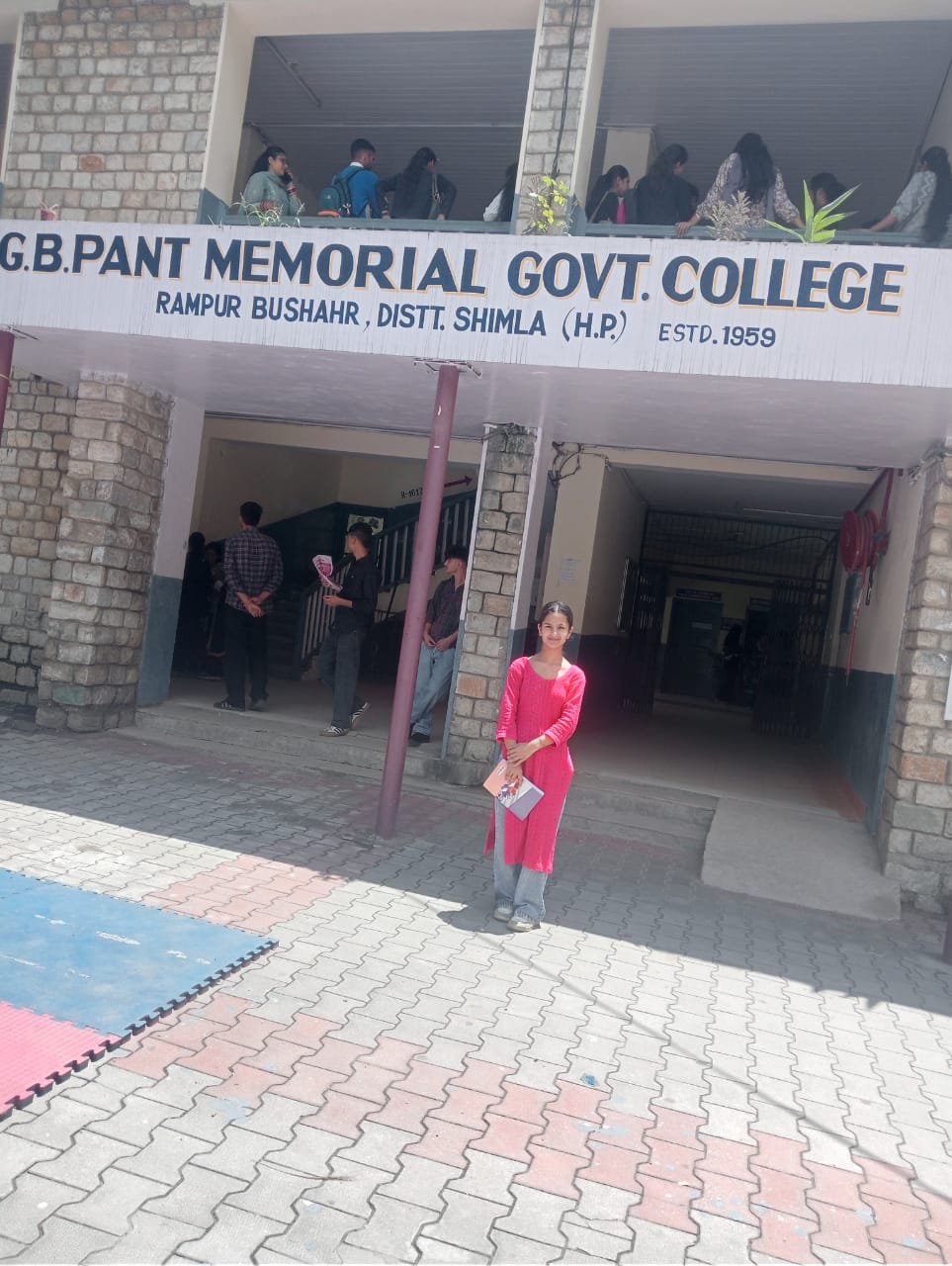
Rithika is pursuing B.A. Political Science (Government) at Government College, Rampura, Shimla (Himachal Pradesh). Her father is a farmer and her mother is a housewife. She completed her Class 12 from a Government School in Shimla.Rithika needs assistance to meet her monthly hostel fee of ₹2,000, which her family is unable to afford at present.

Read more
Blog visual
Need for Education

Krishna priya

Krishna Priya K is a Paniya tribal girl from Chakarakulam (Chakkarakulam) tribal village, near the Nilgiris–Wayanad border. finished her B.Com in Ooty, and now has taken a bold step: MA Public Administration (1st Year) at Madras Christian College, Chennai.

Read more
Blog visual
Need for Education

From Tribal Hamlets to College Classrooms

Many bright students from tribal and marginalised communities reach Class 12 with strong dreams—but higher education becomes uncertain because of tuition fees, travel barriers, hostel needs, and basic living costs......

Read more

Volunteer

Share a few details and we’ll get in touch with opportunities that match your skills, interests, and locality.

After submitting, this page will open a confirmation message from our volunteer system.

Document viewer
Details
Read more